
EMDR and Trauma Therapy in Chislehurst, Bromley and Online
You don’t have to face things alone
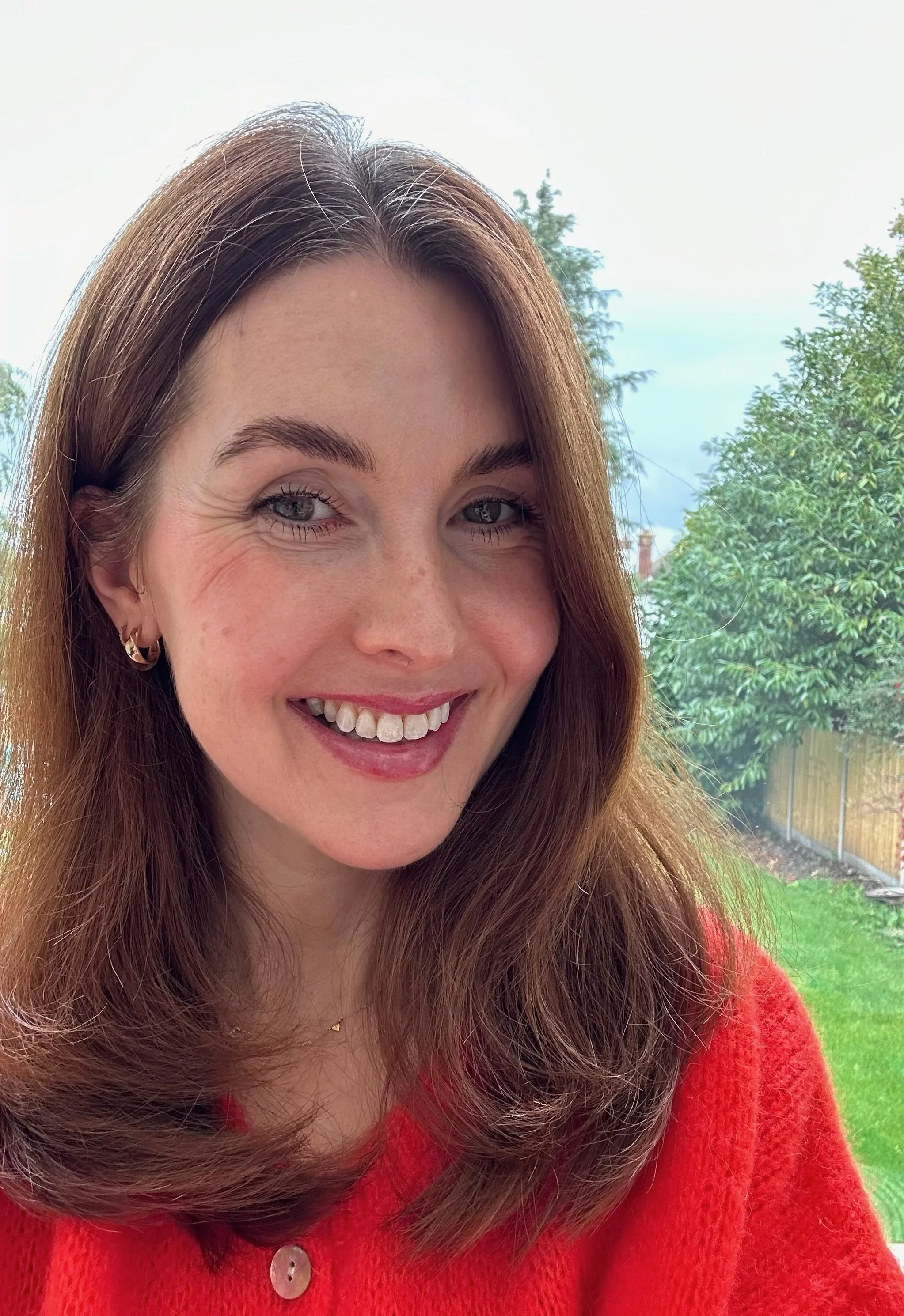
Hello, I’m Dr Laura Bolger, a HCPC Registered Forensic Psychologist based in Chislehurst, South-East London. I offer EMDR and trauma therapy for people living with the weight of what has happened to them or what they may have done.
I’ve spent over ten years working across the criminal justice system where I’ve helped people make sense of really difficult experiences and move forward with their lives. This work remains at the heart of my private practice today, where I help people give voice to experiences that feel too difficult to face alone.
Whilst I primarily use an integrative framework of EMDR and Schema Therapy, my practice continues to be shaped by the people I work with and the courage it takes for them to share their stories with me.
Who is trauma therapy for?
Trauma doesn’t always look the way people expect it to.
Sometimes it's one event you can still picture in detail. Sometimes it's something that built up slowly over years.
Maybe it's grief that doesn't behave the way grief is supposed to.
And maybe it's not what happened to you that you're struggling with, it's what you did, or maybe didn't do.
If you're wondering whether this is for you, here's some of what brings people to see me. You may recognise yourself in one, several, or none exactly ,and that's alright too.
-
A single event that changed things; an assault, an accident, a violent crime, a moment you can still picture in detail. Maybe that moment can feel like it’s still happening. You've perhaps told the story so many times it's lost its edges, or maybe you have never told it at all.
You're not broken, you're just stuck. What happened was too much for your brain to process at the time, so part of it got left unprocessed. It’s still raw, still close. EMDR therapy alone, is often enough to help this.
-
Trauma cam sometimes build up gradually, through childhood, a relationship, or years in an environment that wasn't safe. It's often harder to point to a single moment, because it was never just one moment. What's left is often a way of seeing yourself and other people that no longer serves you.
Schema-informed work, alongside EMDR, can help you see yourself differently.
-
When someone dies suddenly, violently, or by suicide, grief doesn't always follow the shape people expect. There can be questions that don't have answers, guilt that doesn't always make sense but won't leave, a sense of grieving and investigating at the same time. This kind of loss can get stuck in a way ordinary grief doesn't.
-
Perhaps you are feeling shame, guilt or horror about your own actions or urges, or maybe you did something, failed to prevent something, were part of something, or think about things in ways that frighten you.
You may have already spoken to the people who deal in consequences. This is different: a space to understand what's happening, manage it safely, and keep yourself and others protected, without judgement or minimisation.
-
Police officers, clinicians, social workers and other frontline professionals absorb a great deal in the course of doing their jobs. This work leaves a mark, even when you're trained to keep functioning through it.
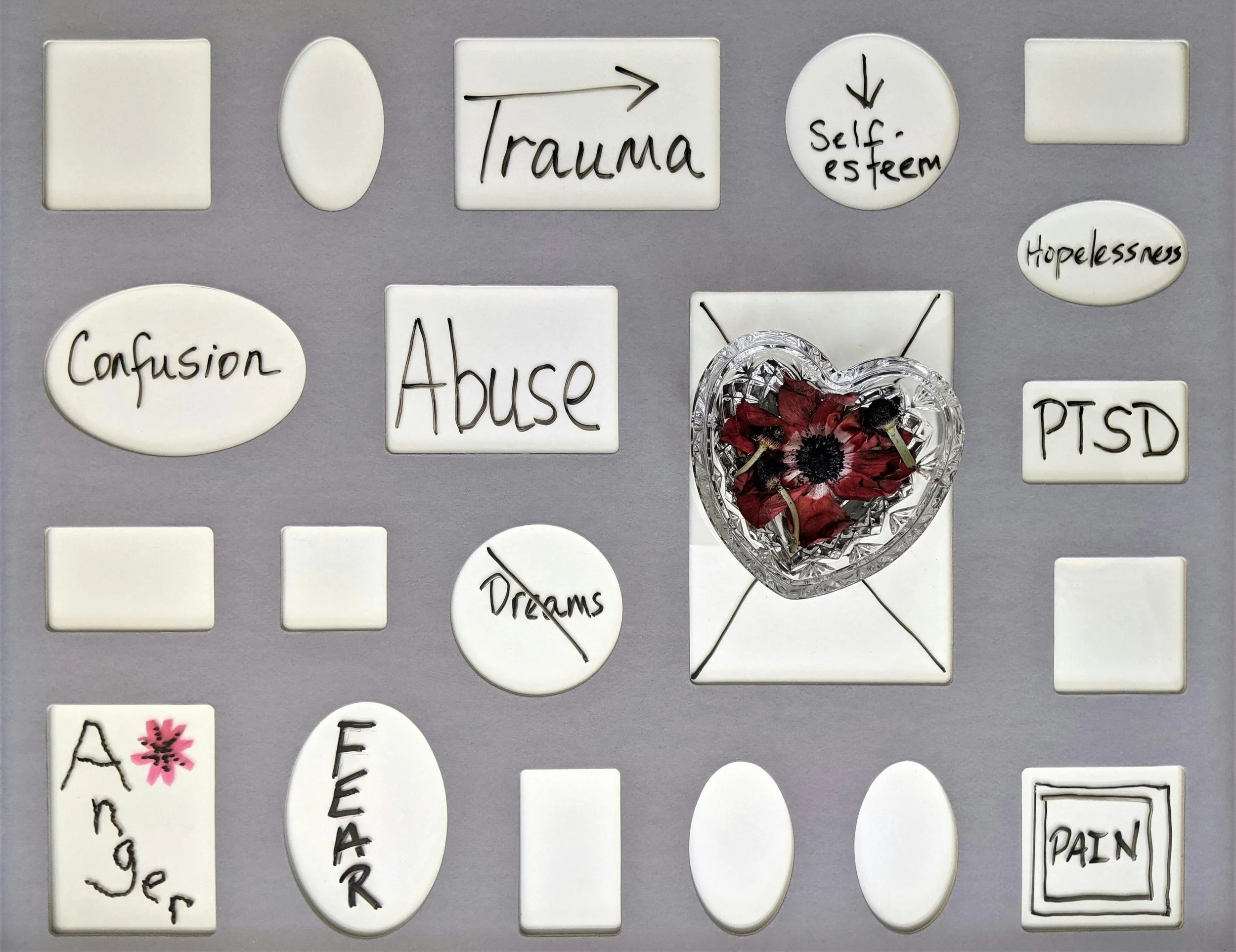
What does trauma therapy involve?
Whatever's brought you here, therapy with me starts the same way: understanding what happened and what it's left behind.
For some of you, that means processing a single moment your mind hasn't finished with, using EMDR to help it settle into the past, where it belongs. For others, it means understanding patterns that formed over years, and starting to see yourself and the people around you differently. For some, it's about making sense of grief that doesn't behave the way it's supposed to. And for others, it's about facing something you did, or fear you might, honestly and without flinching.
Whatever the starting point, therapy is a space to understand the why. Not to excuse, but to make sense of and to build something steadier from there. Within a genuine, honest therapeutic relationship, you have the chance to experience yourself differently: to build trust, safety, and a more secure sense of who you are.

Face to face and online sessions available
I am based in Chislehurst, South-East London where I offer face-to-face therapy every Monday and Thursday. Online sessions are available on a Tuesday, so you can choose the format that best fits your life and needs.